
General
Каким образом цифровые решения подстраиваются под смартфонные гаджеты

Каким образом цифровые решения подстраиваются под смартфонные гаджеты
Оптимизация электронных решений под портативные гаджеты превратилась неотъемлемой частью актуальной разработки. Смартфоны плюс планшеты применяются в разных условиях — при пути, на работе, в быту — и это ожидает от электронных платформ высокой адаптивности UI, стабильной скорости плюс удобства взаимодействия. Грамотная смартфонная подстройка обеспечивает доступ возможностей и стабильность юзерского экспириенса вне зависимости от размера экрана плюс метода контроля.
Подходы к портативной адаптации подробно рассматриваются в профильных публикациях покердом, в рамках которых разбираются психологические паттерны юзеров, инженерные лимиты мобильных платформ плюс правила конструирования адаптивных UI. Данные наблюдения демонстрируют, что результативная адаптация держится не на механическом сокращении элементов экрана, а на пересмотре модели взаимодействия и архитектуры электронного продукта.
Смартфонная платформа ставит отдельные ожидания для оперативности отклика системы. Юзер обычно работает в сервисом в небольших временных интервалах, поэтому UI должен давать быстрый доступ к ключевым опциям. Любая пауза или тяжесть переходов считается существенно острее, чем в настольной варианте.
Гибкий дизайн в качестве ключевой инструмент
Ключевым из ключевых механизмов портативной подстройки становится гибкий дизайн. Он помогает оболочке автоматически адаптироваться под разные форматы панелей, сохраняя читаемость шрифта, комфорт навигации плюс кликабельность кнопок ввода.
Резиновые гриды, относительные габариты секций и динамическое перекомпоновка верстки содержимого помогают продукту правильно показываться в том числе в маленьких телефонах, так же на в планшетных устройствах. Это Покердом снимает потребность поддержки специальных вариантов сервиса для каждого класса девайса.
Также берутся в расчёт ориентация панели и смена пропорций во время вращении гаджета. Интерфейс должен удерживать понятность макета в любом случае при вертикального или горизонтального формата показа.
Оптимизация клиентских маршрутов
Портативное поведение отличается от работы на десктопных компьютерах. Пользователь Pokerdom обычно делает краткие шаги, скачет между активностями плюс применяет тач ввод. Поэтому паттерны взаимодействия обязаны становиться облегчены и ускорены.
Уменьшение числа действий, оперативный вход к основным функциям и снижение наборов данных позволяют приспособить сервис под портативный режим работы без утраты функциональности.
Повышенное внимание дается функции прерывания и восстановления процесса. Смартфонный юзер может на время закрыть из сервиса, из-за этого система должна быть правильно сохранять контекст процесса.
Оптимизация переходов
На мобильных панелях место ограничено, что заставляет пересмотра структуры меню и кнопок ориентации. Вместо многошаговых каскадных систем применяются малые панели , дропдаун меню плюс гестуры ввода.
Понятная ориентация уменьшает длительность поиска нужных разделов и повышает итоговую результативность использования с решением. Простота навигации является ключевым условием юзабилити на портативных устройствах.
Важную функцию играет постоянное позиционирование главных контролов управления, и это даёт возможность юзеру Покердом официальный сайт сразу выстраивать привычную схему использования.
Оптимизация с сенсорным контролем
Переключение от курсора мыши к touch контролю означает расширения размеров контролов плюс интерактивных компонентов. Они должны быть быть легко тапаемыми вплоть до при использовании лишь одной кисти.
Отдельно берутся в расчёт жесты листания, зумирования плюс жестов. Интеграция таких способов Покердом интеракции превращает сервис более нативным у портативного пользователя.
Критично не допускать маленькие тап-зоны области и уменьшать вероятность случайных тапов, особенно в плотном расположении управляющих элементов.
Оптимизация скорости
Смартфонные устройства обычно получают скромные ресурсные ресурсы и плавающее сеть. Из-за этого цифровые решения оптимизируются с точки зрения оперативности открытия плюс размеру отправляемых ресурсов.
Сжатие медиа, уменьшение числа обращений на серверу плюс включение cache позволяют делать быстрее рендер интерфейса Pokerdom и сокращать нагрузку в канал.
Также применяются технологии lazy загрузки содержимого, когда которых блоки дотягиваются по мере потребности. Подобное улучшает скорость первого рендера экрана.
Оптимизация содержимого для мобильный режим
Материалы, сделанный для крупных панелей, вовсе не всегда подходит для чтения на мобилках. Длинные описания разбиваются на логические части, табличные данные трансформируются в колоночные форматы, и графические блоки адаптируются.
Приоритет переносится основной выжимке, и которая выводится в первую очередь. Подобный метод Покердом официальный сайт улучшает читаемость и уменьшает умственную перегрузку.
Применение коротких абзацев и визуальных выделений даёт возможность сделать быстрее чтение содержимого при ситуации малого места дисплея.
Применение портативных возможностей девайсов
Нынешние телефоны предоставляют инструменты к фото-камере, геолокации, оповещениям и био идентификации. Подключение этих функций Покердом увеличивает возможности цифровых решений.
Опора на нативных функций улучшает комфорт интеракции плюс формирует портативный сценарий более полноценным по сравнению с компьютерными вариантами.
Пуш-уведомления позволяют сохранять связь с пользователем и быстро сообщать о существенных действиях вне потребности постоянного входа приложения Pokerdom.
Проверка на настоящих устройствах
Виртуальные среды не полностью передают реальные сценарии работы мобильных сервисов. В результате тестирование проводится на разнотипных моделях гаджетов с разными сборками OS окружений.
Тестируется оперативность загрузки, надежность интерфейса, корректность сенсорного ввода плюс читаемость контента. Это позволяет обнаруживать дефекты, что не всплывают в искусственных средах.
Дополнительно оценивается энергопотребление, поскольку лишняя интенсивность на девайс может отрицательно сказываться в оценке надежности решения.
Оптимизация под разные операционные системы
Портативные OS обладают отдельные стандарты UI плюс поведения контролов. Электронные решения Pokerdom учитывают эти различия, чтобы интеракция выглядело привычно у аудитории каждой OS.
Следование встроенных принципов UI усиливает доверие к продукту и снижает период адаптации юзеров к интерфейсу.
Совместимость актуальных версий операционных систем гарантирует корректность и безопасность функционирования продукта.
Непрерывное развитие смартфонного опыта
Портативная экосистема развивается особенно стремительно. Появляются новые размеры панелей, форматы гаджетов и механики взаимодействия. В результате оптимизация вовсе не остается однократным процессом Покердом официальный сайт.
Постоянный разбор юзерского паттернов, обновление оболочек плюс настройка производительности дают возможность поддерживать повышенный стандарт юзабилити в на протяжении всего продуктового периода сервиса.
Адаптивность организации и готовность к переменам становятся базовыми условиями перспективной устойчивости смартфонной версии электронного продукта Покердом.
Базовые принципы портативной адаптации цифровых продуктов
Реальность создания показывает, что эффективная смартфонная подстройка держится на связке инженерной настройки и перестройки пользовательского взаимодействия. Данные принципы дают возможность удерживать функциональность сервиса и увеличивать удобство работы на компактных экранах.
- гибкая структура интерфейса;
- упрощённые маршруты интеракции;
- естественная тач навигация;
- оптимизация быстроты загрузки;
- приоритет главного содержимого;
- учёт паттернов мобильных платформ;
- применение нативных возможностей девайсов;
- систематическое тестирование плюс улучшение.
Подстройка цифровых продуктов для мобильные девайсы выступает собой многоуровневый цикл, объединяющий дизайн, технологическую эффективность плюс точное осознание юзерского паттернов. За счёт такому подходу цифровые сервисы сохраняют удобство, надежность плюс результативность в контексте портативного взаимодействия и сохраняют соответствовать актуальным требованиям цифровой экосистемы Покердом официальный сайт.
Strategie, które pomogą Ci wygrać w grach hazardowych
Rozpoznanie gier hazardowych
Pierwszym krokiem do sukcesu w grach hazardowych jest zrozumienie zasad i mechaniki gier, w które planujesz grać. Wiedza na temat różnych rodzajów gier, takich jak automaty, pokery czy ruletka, pozwoli Ci lepiej ocenić swoje szanse na wygraną. Każda gra ma swoje unikalne zasady, a ich znajomość to klucz do podejmowania świadomych decyzji. Dlatego warto odwiedzić crazytowercasino.pl, aby zapoznać się z ofertą gier dostępnych na platformie.

Warto również śledzić zmiany w strategiach i trendach w branży hazardowej. Uczestniczenie w forach dyskusyjnych lub grupach społecznościowych może pomóc Ci uzyskać cenne informacje od bardziej doświadczonych graczy, co pozwoli Ci uniknąć najczęstszych błędów.
Zarządzanie budżetem
Zarządzanie swoim budżetem jest kluczowe, aby uniknąć nieprzyjemnych niespodzianek. Ustal, ile pieniędzy jesteś gotów przeznaczyć na grę i trzymaj się tego limitu. Ważne jest, aby nie pozwolić emocjom kierować Twoimi decyzjami, ponieważ łatwo jest stracić kontrolę podczas ekscytujących rozgrywek.
Rozważ także stosowanie tzw. strategii „stop loss”, która polega na ustaleniu maksymalnej kwoty, którą możesz stracić w danym dniu. To pomoże Ci zachować spokój i nie podejmować impulsywnych decyzji, które mogą prowadzić do większych strat.
Wykorzystywanie bonusów i promocji
Większość kasyn online, w tym Crazytower, oferuje atrakcyjne bonusy powitalne oraz regularne promocje, które mogą znacząco zwiększyć Twój kapitał. Korzystanie z tych ofert to świetny sposób na zwiększenie swoich szans na wygraną bez ryzykowania dodatkowych pieniędzy. Zawsze zwracaj uwagę na warunki tych promocji, aby uniknąć nieporozumień.
Warto również być czujnym na oferty czasowe oraz turnieje, które mogą przynieść dodatkowe nagrody. Regularne sprawdzanie dostępnych promocji pozwala na maksymalne wykorzystanie dostępnych środków i zwiększenie potencjalnych wygranych.
Analiza i strategia gry
Przed rozpoczęciem gry warto opracować własną strategię, która uwzględnia Twoje doświadczenie oraz preferencje. W przypadku gier wymagających umiejętności, jak poker, analiza przeciwników oraz umiejętność blefowania mogą przynieść znaczną przewagę. W przypadku gier losowych, takich jak ruletka, warto przemyśleć różne strategie stawiania zakładów.
Nie bój się również eksperymentować z różnymi strategiami, aby zobaczyć, co działa najlepiej w Twoim przypadku. Regularna analiza wyników i dostosowywanie strategii do własnych doświadczeń to ważny element skutecznego grania.

O CrazyTower
Crazytower to nowoczesna platforma gamingowa, która oferuje szeroki wybór gier hazardowych, w tym automaty i gry stołowe. Dzięki atrakcyjnym bonusom oraz profesjonalnej obsłudze klienta, użytkownicy mogą cieszyć się wygodnym i bezpiecznym doświadczeniem. Platforma zapewnia nie tylko różnorodność gier, ale także lokalne metody płatności, co czyni ją jeszcze bardziej dostępną.
Wykorzystując powyższe strategie, gracze mają szansę na zwiększenie swoich szans na wygraną w Crazytower. Pamiętaj, aby grać odpowiedzialnie i czerpać radość z każdej rozgrywki.
Minimalism and Mental Load Minimization in Interface Design
Current UI design emphasizes minimalism to reduce cognitive pressure on users. Minimalism eliminates unnecessary visual elements that contend for focus. Uncluttered layouts enable people to focus on essential tasks without distraction. Designers remove aesthetic components that add no practical value.
Why minimalism has turned a essential rather than a trend
Virtual products have expanded exponentially over the past decade. People engage with dozens of applications daily across numerous gadgets. Each platform demands focus and mental resources. Individuals encounter constant information overload from alerts, messages, and updates.
Focus spans have declined substantially in reaction to virtual saturation. Research shows users giocagile login invest mere seconds assessing whether to continue employing an UI. Complex interfaces trigger instant abandonment as users seek easier alternatives.
Portable devices have revolutionized how people reach digital solutions. Tiny screens cannot support crowded designs without sacrificing functionality. Touch interactions demand larger, clearer components than mouse-based browsing.
Rivalry forces organizations to distinguish through user experience rather than functions alone. Clarity in minimalism and cognitive load decrease in interface layout has become a competitive necessity. Companies like giocagile casino online acknowledge that reducing cognitive burden directly impacts retention metrics.
What mental load really signifies in digital settings
Mental burden refers to the psychological effort needed to process information and complete activities. Working retention has finite ability to hold and manipulate information simultaneously. When systems display too much information at once, people encounter excess that degrades effectiveness.
Three categories of cognitive burden impact digital interactions. Intrinsic load relates to the inherent difficulty of the job itself. External burden arises from badly constructed elements that introduce superfluous complexity. Germane load involves the mental work of acquiring new patterns.
Virtual contexts create distinct mental challenges contrasted to tangible spaces. Screens show giocagile casino multiple layers of information vying for attention. Interactive elements require constant assessment of accessible steps and their consequences.
High mental burden appears through particular customer patterns. Individuals commit more errors when inundated by options or visual intricacy. Activity completion periods increase as people labor to recognize pertinent data. Minimalism and cognitive burden decrease in UI design address these quantifiable problem issues.
How minimalism aids people process information faster
Simple design lowers the amount of elements users must analyze before taking steps. Less graphical components signify reduced time used scanning and sorting extraneous data. The brain processes streamlined layouts more efficiently than crowded, chaotic displays.
Visual processing velocity grows when UIs use stable structures and limited color palettes. The gaze travels naturally through arranged content without unnecessary pauses. Clear font hierarchies guide focus to key data initially.
Decision paralysis declines when options are filtered rather than complete. Research shows that abundant options hinder decision-making and decrease satisfaction. Simple approaches show only key alternatives at each interaction moment.
Data structure gains from minimalist guidelines that favor content giocagile over decoration. Incremental exposure exposes intricacy only when required for specific jobs. People obtain advanced features without facing them during simple processes.
Loading durations better when designs eliminate bulky images and superfluous code. Minimalism and cognitive load minimization in interface layout create measurable gains in job finishing metrics and user assurance.
The function of graphical hierarchy in reducing mental exertion
Visual hierarchy structures UI elements by priority to steer customer attention systematically. Size, hue, contrast, and placement communicate comparative significance without requiring conscious examination. People instinctively analyze larger, bolder elements before smaller, subdued elements.
Font organization creates clear connections between headers, subheadings, and body text. Uniform sizing and weight produce predictable structures that people master rapidly. Skimmable layouts enable users to capture key ideas without reading each term.
Hue organization directs attention to interactive elements and important communications. Primary steps receive noticeable hue design while alternative alternatives utilize subdued hues. Users make quicker choices when visual emphasis aligns practical importance.
Spatial structure uses positioning and clustering to create coherent material regions. Associated elements group together while negative space isolates separate practical zones. People giocagile login perceive connections between components through nearness rather than direct markers.
Successful organization in minimalism and mental load decrease in UI layout removes conflicting attention areas that fragment attention and increase handling duration.
Why less components contribute to sharper decision-making
Decision-making standard worsens when people face too many simultaneous options. Cognitive studies pinpoints choice bombardment as a impediment to confident steps. Users experience worry and delay decisions when presented with numerous choices. Restricting alternatives to core options speeds the choice procedure.
Each further interface component presents a possible distraction that diverts mental resources. Users giocagile casino must assess whether every shown element corresponds to their current goal. Eliminating redundant components liberates cognitive capacity for important decisions.
Comparison exhaustion happens when people must evaluate numerous alike options against each other. The cognitive effort needed to discriminate between choices grows exponentially with volume. Filtered choices lower comparison load and enable people identify fitting options quicker.
Clear paths arise when systems present concentrated choices at each choice moment. Minimalism and cognitive burden minimization in UI layout produce decision environments where the correct action appears obvious rather than uncertain.
How whitespace enhances attention and clarity
Negative space generates relief space around material that prevents visual overload. Vacant space between elements enables the vision to relax and refresh between data groupings. Users process material more precisely when graphical concentration stays balanced.
Reading comprehension increases significantly with proper line spacing and padding. Text blocks enclosed by negative space appear more inviting and less overwhelming. Appropriate distance between paragraphs signals organic break moments that aid information memory.
Negative space defines functional boundaries without needing clear lines or dividers. Negative area clusters related elements and isolates separate content regions. Users comprehend interface arrangement through positional relationships rather than clear graphical indicators giocagile.
Focus increases when negative space separates important elements from nearby content. Call-to-action controls achieve prominence through enclosing blank area that draws attention. Intentional employment of negative area in minimalism and cognitive load decrease in interface layout directs focus without contributing visual difficulty.
The connection between minimalism and functionality
Minimalism directly enhances functionality by eliminating barriers between people and their goals. Simplified UIs minimize the training curve required to attain mastery. People giocagile casino finish jobs with fewer steps when redundant intricacy is eliminated.
Usability rules align organically with minimalist design strategies:
- Ease of learning increases when systems present only core features initially
- Efficiency grows as users move through streamlined pathways without diversions
- Memorability intensifies when stable patterns substitute varied layout styles
- Mistake avoidance succeeds through distinct choices that minimize uncertainty
Inclusivity profits substantially from minimalist rules that prioritize simplicity. Screen readers traverse simplified arrangements more effectively than complicated layouts. Keyboard browsing becomes more predictable with fewer interactive components.
Evaluation demonstrates that minimalist UIs consistently outperform feature-heavy alternatives in functionality measures. Minimalism and cognitive load reduction in UI layout create quantifiable functionality enhancements across different user groups.
How stripping distractions boosts customer productivity
Distractions scatter attention and force people to constantly reconcentrate on key jobs. Each disruption requires mental work to reestablish context and restart momentum. Moving components, auto-playing media, and redundant notifications giocagile login shatter focus. Removing these disturbances allows people to maintain flow states where output climaxes.
Graphical interruptions compete for attention even when people deliberately ignore them. Bright colors, moving graphics, and ornamental components cause involuntary vision movements. The brain handles these inputs instinctively, using cognitive resources necessary for job completion.
Efficiency measures improve quantifiably when distracting elements are stripped from processes. People complete documents faster without advertising banners disrupting data areas. Reading comprehension grows when side panels and overlays are eliminated.
Sustained attention durations extend in interruption-free settings. People connect more profoundly with material when visual interference is decreased. Minimalism and cognitive load minimization in interface layout produce environments where users function at their cognitive best.
Simple systems and quicker training trajectories
Novice people comprehend simple interfaces more faster than intricate alternatives. Simplified designs present fewer ideas to learn during first engagements. Mastery proceeds naturally when people meet capabilities incrementally rather than simultaneously.
Structure detection evolves quicker in stable, uncluttered contexts. People construct mental representations efficiently when visual language stays consistent in giocagile. Confidence strengthens as users competently traverse tasks without substantial training.
Transfer of understanding occurs more readily across minimalist offerings. Skills acquired in one streamlined UI extend smoothly to comparable layouts. Minimalism and mental burden minimization in UI design narrow the expertise difference between beginner and proficient users substantially.
Minimalism and Cognitive Load Reduction in UI Layout
Modern UI layout favors simplicity to minimize psychological strain on people. Minimalism removes superfluous visual elements that vie for attention. Clean arrangements permit users to focus on critical tasks without interruption. Designers strip decorative elements that add no practical worth.
Why clarity has become a essential rather than a fashion
Digital products have increased exponentially over the past last. People engage with dozens of applications daily across multiple devices. Each system demands focus and cognitive capacity. Individuals face continuous data excess from notifications, messages, and changes.
Focus spans have reduced significantly in reaction to digital overload. Studies shows people casino con bonus senza deposito devote mere seconds evaluating whether to continue employing an interface. Intricate interfaces produce instant abandonment as people look for simpler options.
Mobile devices have transformed how individuals obtain virtual services. Small screens cannot accommodate cluttered designs without compromising functionality. Tap engagements require larger, clearer elements than mouse-based browsing.
Rivalry compels organizations to differentiate through customer experience rather than features alone. Simplicity in minimalism and mental burden reduction in interface design has turned a competitive necessity. Organizations like bonus casin? recognize that decreasing mental strain immediately influences engagement metrics.
What cognitive load really means in electronic settings
Cognitive burden pertains to the mental effort required to handle information and complete jobs. Active memory has restricted capacity to store and manipulate information concurrently. When interfaces show too much data at once, users encounter excess that degrades efficiency.
Three types of cognitive burden influence digital interactions. Intrinsic burden pertains to the built-in complexity of the task itself. External burden comes from badly constructed elements that add superfluous difficulty. Relevant load encompasses the mental effort of learning fresh structures.
Digital contexts create distinct mental challenges compared to physical areas. Screens show bonus casin? numerous layers of data vying for focus. Interactive elements demand constant analysis of accessible actions and their consequences.
Heavy cognitive load appears through certain customer behaviors. Users commit more errors when overwhelmed by choices or visual intricacy. Task finishing durations rise as people fight to identify pertinent information. Minimalism and mental load reduction in UI design tackle these measurable problem issues.
How minimalism assists people analyze data quicker
Minimalist layout minimizes the quantity of elements users must assess before performing steps. Fewer graphical components signify less time spent scanning and sorting irrelevant information. The brain handles simplified layouts more efficiently than packed, messy displays.
Visual handling speed rises when systems utilize consistent patterns and limited color schemes. The gaze moves organically through organized content without unnecessary pauses. Distinct typography structures guide attention to critical data initially.
Decision paralysis declines when options are selected rather than exhaustive. Research reveals that overwhelming choices hinder decision-making and lower contentment. Simple methods present only essential alternatives at each interaction moment.
Information structure benefits from simple principles that favor content bonus senza deposito casino over decoration. Gradual revelation uncovers complexity only when necessary for particular tasks. Users access sophisticated capabilities without encountering them during simple processes.
Load durations better when designs strip large images and superfluous scripts. Minimalism and cognitive load reduction in interface layout generate measurable improvements in activity completion metrics and customer confidence.
The importance of graphical structure in reducing cognitive exertion
Visual structure structures interface components by importance to direct customer focus systematically. Size, hue, contrast, and positioning communicate relative importance without requiring intentional analysis. Users instinctively process bigger, stronger elements before tinier, subdued elements.
Font organization forms distinct relationships between headings, subtitles, and body content. Stable scaling and weight produce reliable patterns that users absorb quickly. Scannable designs allow users to extract key ideas without reviewing each term.
Hue hierarchy steers attention to interactive elements and key communications. Main operations obtain noticeable hue treatment while alternative choices employ subdued tones. People reach faster choices when visual emphasis matches operational importance.
Positional hierarchy employs placement and grouping to establish logical material regions. Connected components cluster together while negative space isolates separate functional areas. People casino con bonus senza deposito grasp relationships between components through proximity rather than clear markers.
Effective structure in minimalism and mental load decrease in UI layout removes conflicting focal areas that split focus and extend handling time.
Why less components lead to clearer decision-making
Decision-making quality declines when users encounter too many simultaneous alternatives. Cognitive research pinpoints choice excess as a barrier to assured steps. Users feel anxiety and delay choices when presented with extensive alternatives. Constraining options to core options accelerates the decision process.
Each extra interface component creates a possible interruption that shifts mental resources. Users bonus casin? must evaluate whether every shown component corresponds to their active objective. Removing unnecessary elements releases cognitive resources for meaningful choices.
Comparison weariness happens when people must evaluate numerous comparable alternatives versus each other. The cognitive work required to differentiate between options increases exponentially with quantity. Filtered selections minimize comparison load and help users find suitable options faster.
Clear paths arise when UIs show focused alternatives at each choice point. Minimalism and mental load minimization in UI design establish decision environments where the correct action feels clear rather than uncertain.
How negative space enhances concentration and clarity
Whitespace generates breathing room around material that prevents graphical overload. Blank area between components enables the vision to relax and recharge between data groups. People analyze content more correctly when graphical compactness stays balanced.
Reading understanding improves significantly with sufficient line spacing and margins. Copy chunks encircled by whitespace look more inviting and fewer overwhelming. Appropriate spacing between sections indicates natural pause locations that support information memory.
Negative space establishes functional boundaries without needing visible lines or dividers. Negative space clusters related elements and separates separate material zones. Users comprehend interface organization through positional relationships rather than direct graphical indicators bonus senza deposito casino.
Concentration increases when negative space separates critical elements from nearby material. Call-to-action controls gain visibility through enclosing empty space that draws attention. Intentional employment of negative area in minimalism and mental load minimization in interface design directs focus without contributing visual intricacy.
The connection between minimalism and usability
Minimalism directly enhances usability by stripping obstacles between people and their targets. Streamlined systems lower the training trajectory needed to reach proficiency. People bonus casin? complete activities with fewer stages when unnecessary intricacy is stripped.
Functionality guidelines align naturally with simple design approaches:
- Ease of learning increases when systems present only key capabilities first
- Productivity increases as people move through optimized pathways without detours
- Memorability strengthens when stable patterns replace different layout approaches
- Mistake avoidance works through clear choices that reduce confusion
Inclusivity gains considerably from minimalist guidelines that favor transparency. Display readers move through simplified structures more efficiently than complicated arrangements. Keyboard navigation turns more reliable with less dynamic elements.
Testing demonstrates that minimalist systems uniformly outperform capability-heavy alternatives in usability measures. Minimalism and mental load reduction in UI design create quantifiable functionality enhancements across different user audiences.
How eliminating distractions enhances user performance
Distractions fragment attention and require people to constantly reconcentrate on key activities. Each interruption requires mental effort to restore context and restart advancement. Dynamic components, auto-playing content, and unnecessary alerts casino con bonus senza deposito disrupt concentration. Removing these disruptions permits users to sustain flow conditions where productivity maximizes.
Visual interruptions vie for focus even when users consciously dismiss these. Vivid colors, animated graphics, and decorative components trigger involuntary gaze movements. The mind processes these inputs instinctively, consuming cognitive capacity needed for task completion.
Efficiency metrics increase noticeably when interfering elements are removed from processes. Users complete documents quicker without marketing banners disrupting data boxes. Reading comprehension grows when sidebars and overlays are eliminated.
Continuous focus spans increase in interruption-free settings. Users engage more intensely with content when visual interference is minimized. Minimalism and mental burden reduction in interface design establish conditions where users function at their mental best.
Simple interfaces and quicker training curves
Fresh people understand minimalist interfaces more rapidly than complicated alternatives. Simplified layouts display fewer notions to master during initial engagements. Mastery proceeds naturally when users meet capabilities gradually rather than simultaneously.
Pattern recognition evolves faster in uniform, uncluttered contexts. People construct cognitive frameworks efficiently when visual language remains consistent in bonus senza deposito casino. Trust increases as users effectively complete activities without lengthy instruction.
Transfer of expertise occurs more easily across minimalist products. Skills learned in one streamlined UI transfer easily to similar layouts. Minimalism and cognitive load reduction in interface layout decrease the expertise difference between beginner and skilled users considerably.
-

 General1 year ago
Sigma Wolf: The Lone Leader Redefining Strength
-

 General1 year ago
Semuc Champey: A Natural Paradise in Guatemala
-

 General1 year ago
Duolingo Leagues: A Guide to Level Up Your Language Skills
-

 General1 year ago
Unveiling Misav: All You Need to Know About This Game-Changer
-

 BUSINESS1 year ago
Anthropic Valuation: Measuring Human Impact and Value
-
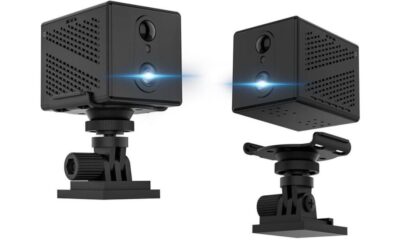
 TECHNOLOGY1 year ago
Skybox Camera: The Ultimate Tool for Capturing 360-Degree Views
-

 TECHNOLOGY1 year ago
Unveiling Lacey Maurer NC: Everything You Need to Know
-

 Health & Fitness1 year ago
Grated Cheese: The Unsung Hero of Culinary Creations